
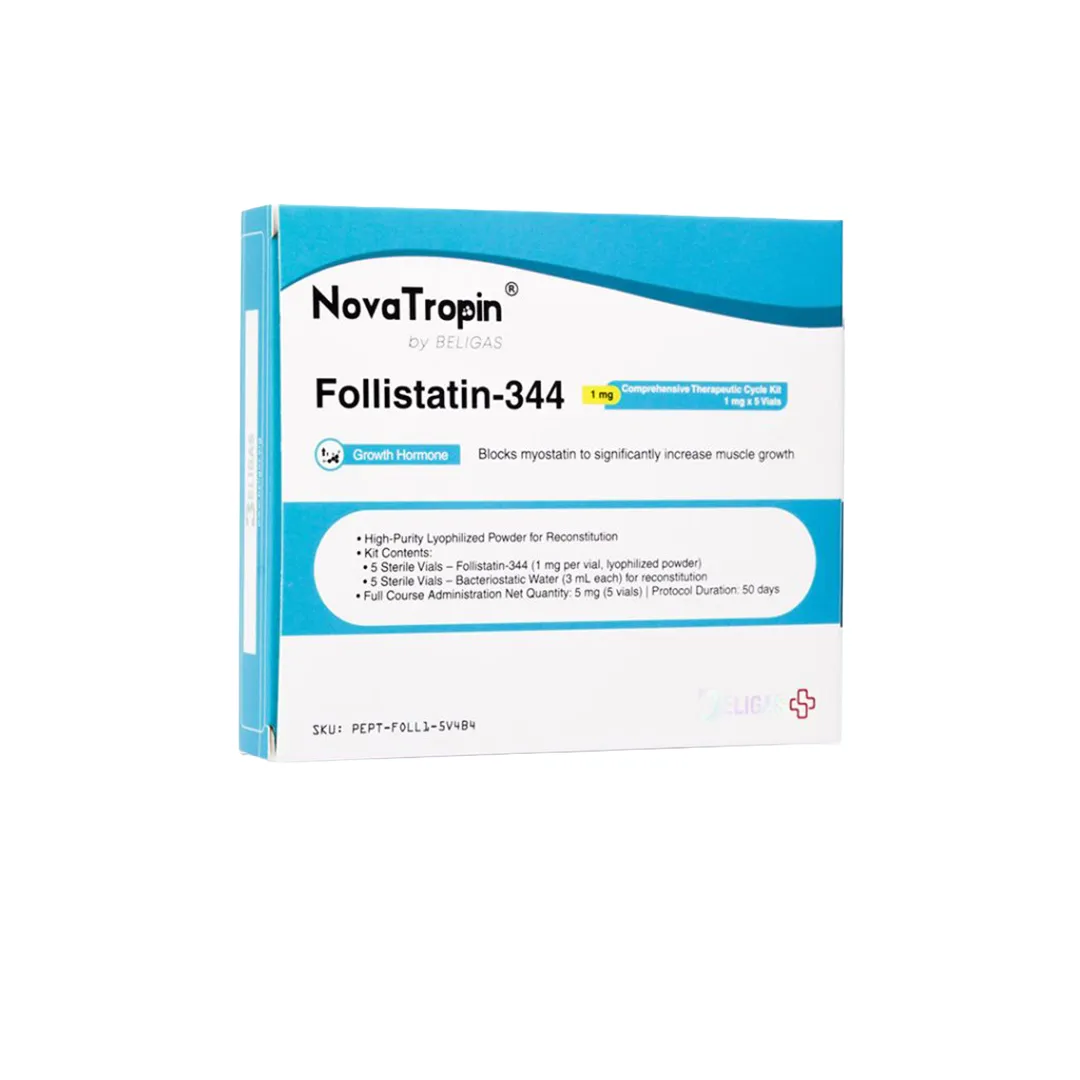
Description
Follistion 344 1 mg
Follistion 344 is a recombinant form of Follicle-Stimulating Hormone (FSH), a naturally occurring hormone involved in regulating reproductive function in both men and women. It is commonly used in fertility treatment programs to stimulate ovarian follicle development in women undergoing assisted reproductive procedures such as in vitro fertilization (IVF). In men, it may be used to support spermatogenesis and improve reproductive hormone activity in certain fertility-related conditions.
How It Works
Follistion 344 works by binding to FSH receptors located in the ovaries and testes. In women, it stimulates the growth and maturation of ovarian follicles, increasing the likelihood of ovulation and successful egg retrieval during fertility treatment. In men, it supports the activity of Sertoli cells within the testes, which play a key role in sperm production and maturation. Through this mechanism, Follistion 344 helps regulate and enhance reproductive function.
Proper Use and Dosage
Follistion 344 is typically administered through subcutaneous injection. Dosages vary depending on individual hormone levels, treatment goals, and response to therapy. Common fertility protocols may begin with 75–300 IU daily, with adjustments made throughout treatment based on monitoring and clinical response. In women, treatment durations commonly range from 5–12 days during ovarian stimulation cycles, while in men, therapy may be continued for longer periods under medical supervision to support sperm production.
Potential Benefits
Follistion 344 may help improve fertility outcomes by supporting the development of mature ovarian follicles and increasing the number of viable eggs during assisted reproductive procedures. In men, it may contribute to improved sperm count and reproductive function. Its targeted hormonal activity makes it a widely used component in fertility-focused treatment protocols for both sexes.
Side Effects
Possible side effects include injection site irritation, bloating, abdominal discomfort, headaches, mood changes, and mild nausea. In women, excessive ovarian stimulation may rarely lead to ovarian hyperstimulation syndrome (OHSS), which requires medical attention. There is also an increased possibility of multiple pregnancies during fertility treatment. Careful monitoring, hormone testing, and dose adjustments are important to help ensure safety and optimize treatment response.
Reviews
There are no reviews yet.