
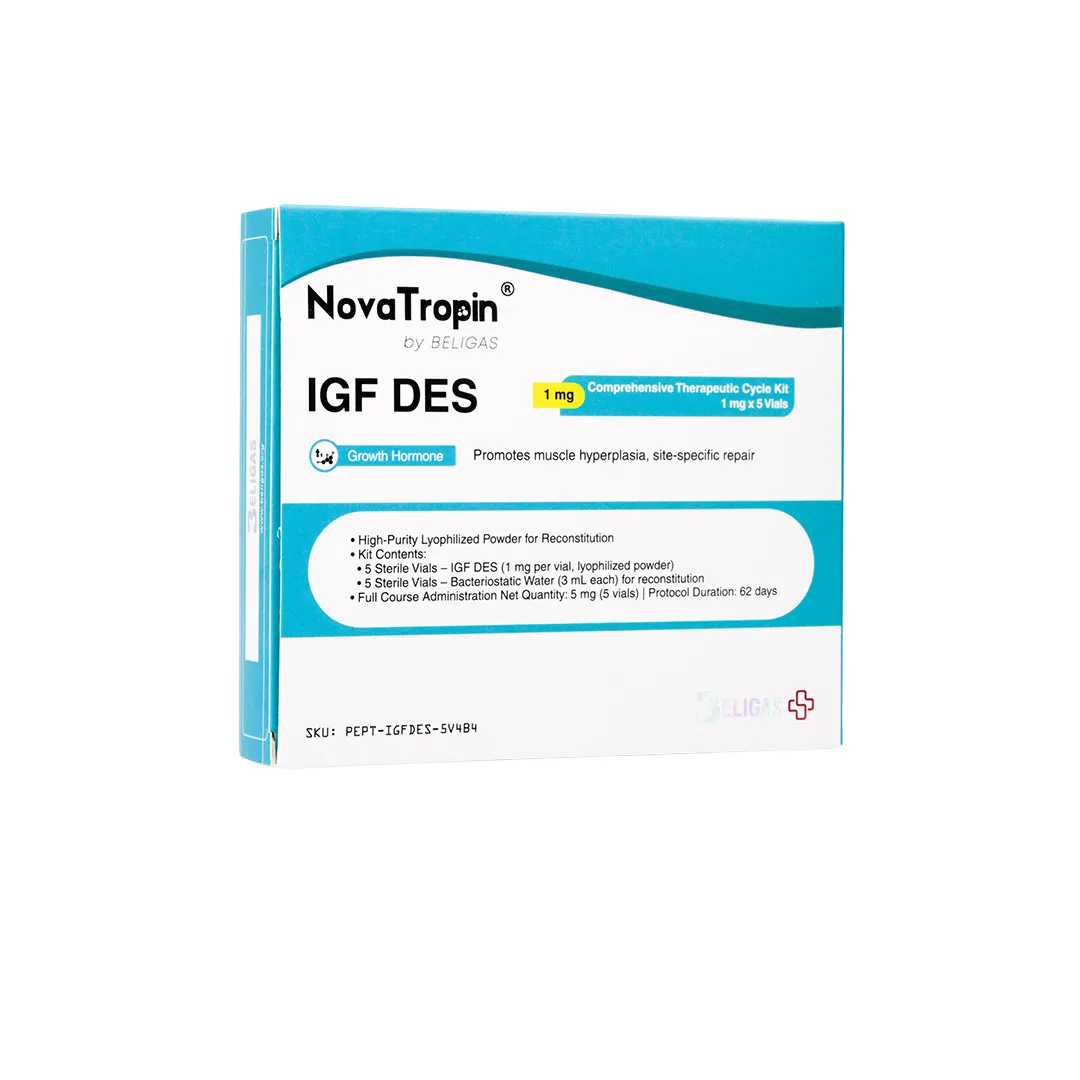
Description
DES (1-3) 1mg
DES (1–3) 1mg contains Diethylstilbestrol (DES), a synthetic estrogen once widely used for managing hormone-related conditions such as prostate cancer, breast cancer, and menopausal symptoms. Although its medical use has declined due to concerns regarding long-term safety and potential health risks, DES remains recognized for its strong estrogenic activity and its ability to influence hormonal balance within the body.
How it works
DES functions as a potent estrogen agonist, meaning it binds directly to estrogen receptors and mimics the effects of natural estrogen. By influencing the endocrine system, it suppresses the release of luteinizing hormone (LH) and follicle-stimulating hormone (FSH), which can help reduce testosterone production in men and regulate hormone-sensitive conditions. This hormonal suppression made DES useful in certain cancer treatments and endocrine therapies. However, because of its strong estrogenic properties, careful monitoring is essential during use.
Proper Use and Dosage
DES is commonly administered in oral tablet form. Typical dosages range from 1–3mg daily, depending on the intended therapeutic use and the individual’s response to treatment. Dosage adjustments should always be guided by a qualified healthcare professional, as excessive estrogen exposure may increase the risk of adverse reactions. Treatment duration varies based on the medical condition being managed and should be closely supervised.
Benefits
DES may help manage hormone-sensitive conditions by suppressing androgen production and regulating estrogen activity. It has historically been used to slow the progression of prostate cancer, support certain breast cancer therapies, and relieve menopausal symptoms such as hot flashes and discomfort. In some medical protocols, DES has also been utilized for its ability to alter hormonal feedback mechanisms within the endocrine system.
Side Effects
Because of its potent estrogenic effects, DES may cause side effects such as nausea, headaches, fluid retention, mood changes, and breast tenderness. More serious risks can include blood clots, cardiovascular complications, and increased risk of hormone-related cancers with prolonged use. Long-term exposure has also been associated with reproductive health complications. Due to these risks, DES should only be used under professional medical supervision with appropriate monitoring throughout treatment.
Reviews
There are no reviews yet.