
Description
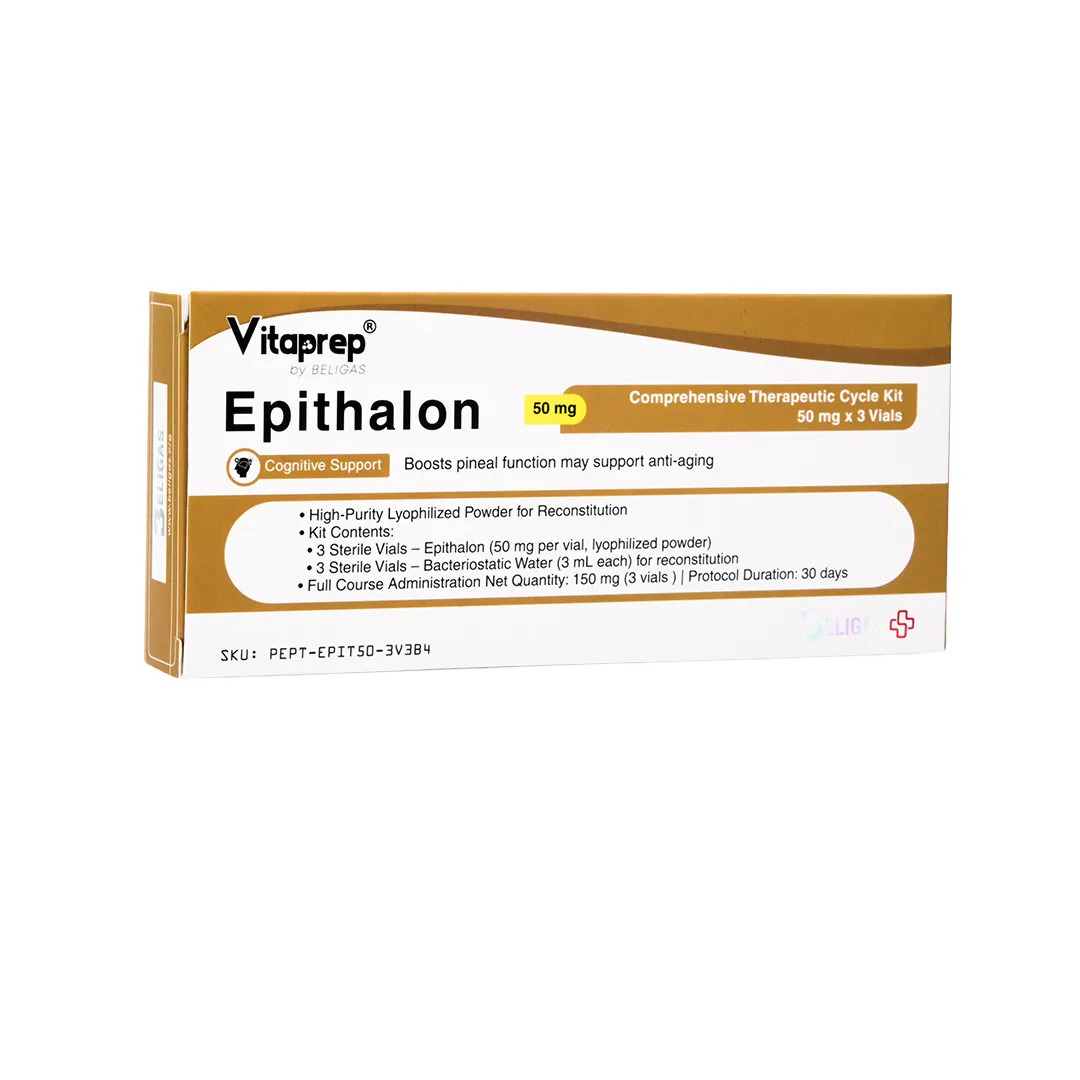
Epithalon (Epitalon) 5 / 10 / 50 mg
Epithalon is a synthetic tetrapeptide composed of the amino acids alanine, glutamic acid, aspartic acid, and glycine. It is primarily studied in the field of anti-aging research for its potential effects on cellular health, immune function, and longevity. It is believed to influence telomerase activity, an enzyme involved in maintaining telomeres, which are protective structures at the ends of chromosomes that shorten with age.
How It Works
Epithalon is thought to stimulate telomerase activity, which may help maintain or stabilize telomere length and support healthier cell division. Through these mechanisms, it is associated with potential improvements in cellular repair, immune regulation, and reduction of oxidative stress. Some research also suggests possible benefits for sleep regulation and overall biological aging processes.
Dosage Overview
Typical research usage of Epithalon varies depending on protocol and purpose, with common forms ranging from 5 mg to 50 mg vials. Administration is usually via injection, often in cycles lasting several days to a few weeks depending on the regimen. Because protocols differ widely in research settings, dosing is not standardized and is typically adjusted based on goals and response.
Potential Benefits
Epithalon is associated with potential anti-aging effects, including support for telomere maintenance, improved immune function, and enhanced cellular health. It may also contribute to better sleep quality, improved cognitive function, and reduced markers of oxidative stress, making it of interest in longevity and regenerative research.
Side Effects and Considerations
Reported side effects are generally mild and may include injection site irritation, headache, or flu-like symptoms. Long-term safety data remain limited, as Epithalon is primarily used in research contexts. Careful dosing and professional guidance are recommended due to the experimental nature of its use.
Reviews
There are no reviews yet.