
Description
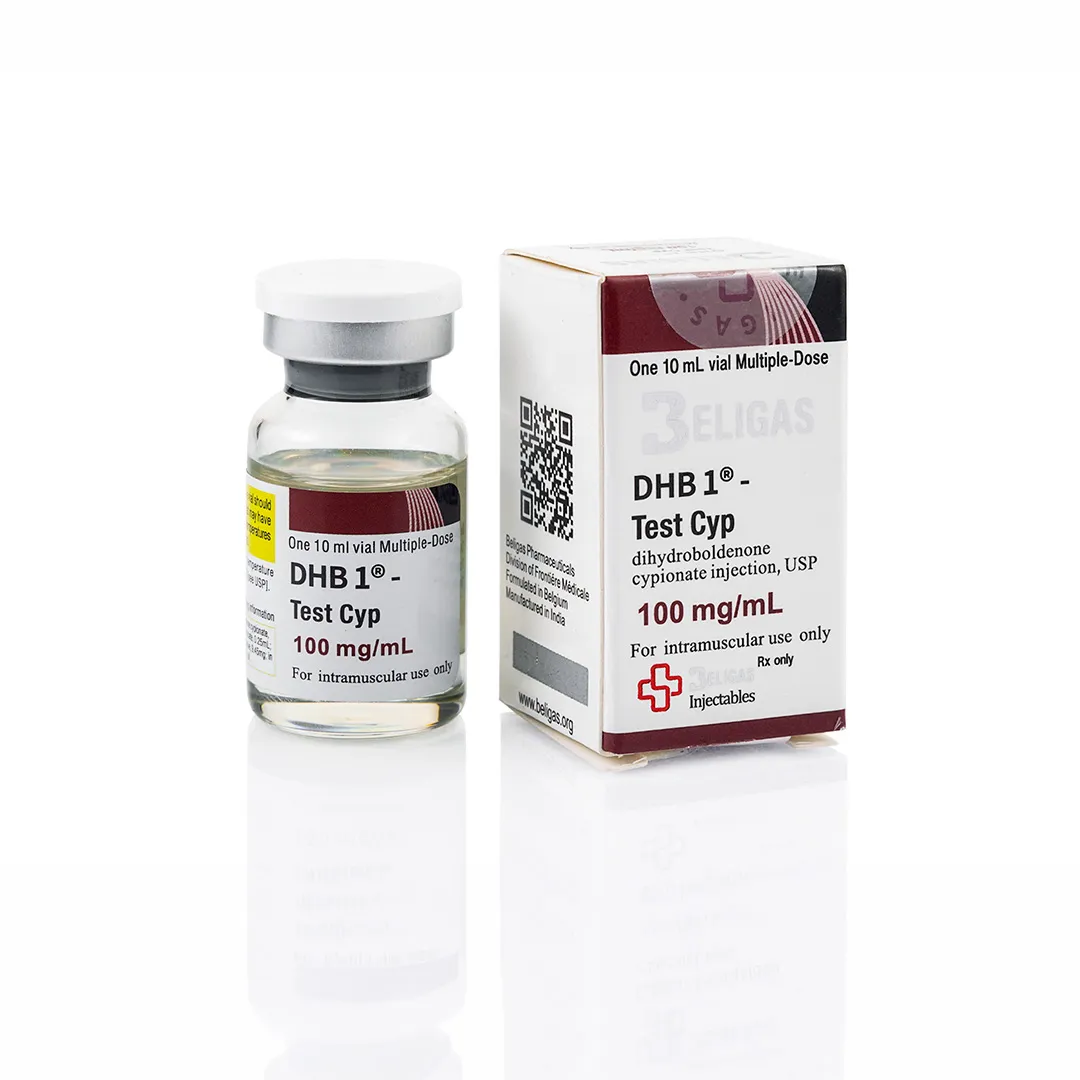
DHB 1 Test Cyp 100 mg/ml
DHB 1 Test Cyp (Dihydroboldenone Testosterone Cypionate) has become increasingly popular among bodybuilders. In recent years, it has also attracted interest from individuals who suspect they may have low testosterone levels. In some medical contexts, testosterone-related compounds may be prescribed to men who are unable to produce adequate testosterone naturally.
How it works
Dihydroboldenone (DHB), also known as 1-testosterone (1-TEST CYP), is a 5-alpha reduced derivative of the steroid boldenone. In the human body, the 5-alpha reductase enzyme typically converts testosterone into DHT. However, boldenone does not undergo this conversion as efficiently due to its low binding affinity.
Dihydroboldenone cypionate is associated with testosterone-supporting activity and is believed to influence red blood cell production and nitrogen balance in the body. These effects are often linked to improved physical performance and muscle development.
Proper use and dosage
The DHB compound has an estimated half-life of around 6 days.
Typical beginner testosterone cypionate cycles are often set at 400–500 mg per week over a 12-week period, usually administered three times weekly (Monday, Wednesday, and Friday). More experienced users may increase the dosage to 600–700 mg per week. In some cases where it is combined with other anabolic compounds such as Winstrol or Human Growth Hormone (HGH), lower doses (around 200 mg) may be used.
Benefits
Dihydroboldenone cypionate is commonly used for its potential benefits related to low testosterone. These may include increased strength, stamina, endurance, and improved overall confidence. It has also been explored in certain medical contexts, including research related to cancer treatment.
Side effects
Like other anabolic-androgenic steroids, this compound may cause side effects. Common effects include acne and water retention. Increased androgen activity may also lead to increased body hair growth and voice deepening in women. In men, excessive androgen levels may contribute to hair loss and other androgen-related effects.
Reviews
There are no reviews yet.